

How far is San Giovanni in Laterano from the Colosseum? Distance, routes & guided visit options
- 8 min read
The distance between Colosseo and San Giovanni in Laterano is a frequently searched query among visitors planning their itinerary in Rome. Understanding the precise distance between these two iconic landmarks not only helps in trip planning but also enriches the experience of exploring the Eternal City on foot or by public transport. This article explains clearly the exact distance, walking routes, transport options, and the historical and cultural significance that lies between the Colosseum and the Basilica of San Giovanni in Laterano, the cathedral church of Rome.
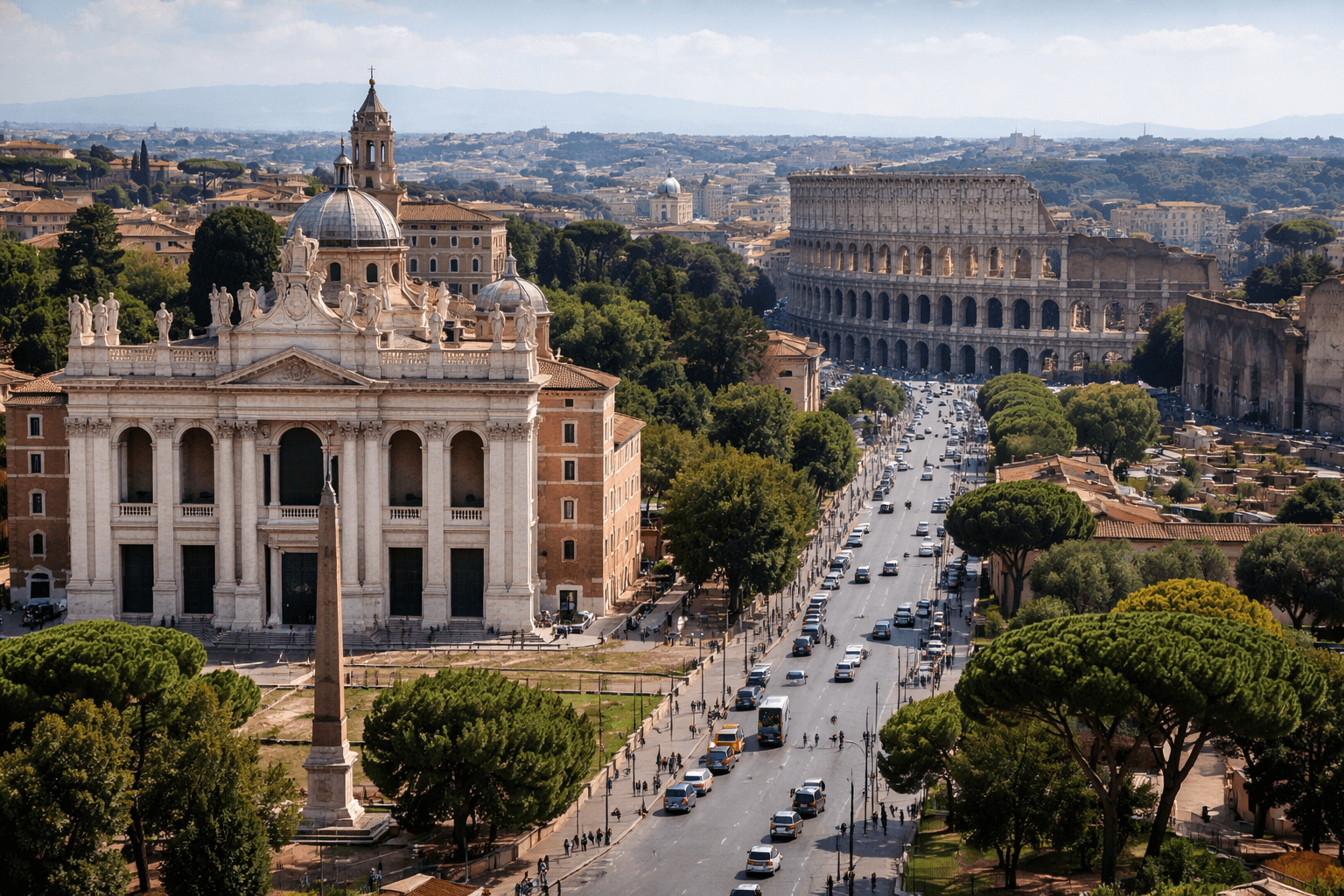
What is the distance Between Colosseum and San Giovanni in Laterano?
The straight-line distance between the Colosseum and San Giovanni in Laterano is approximately 1.5 kilometers (about 1 mile). However, the walking distance—following accessible and tourist-friendly routes—ranges from 1.7 to 2 kilometers. This small variance depends on the chosen path and pedestrian accessibility, but in essence, the two monuments are quite close within Rome’s historic center.
It is important to note that the “Distanza Colosseo San Giovanni in Laterano” is easily manageable by foot for most visitors. This proximity allows travelers to explore both landmarks in a single day without undue stress, making it a popular route for those interested in ancient Roman and Christian heritage. The distance is therefore practical for walking tours, photography stops, and impromptu explorations of the Roman streets in between.
In summary, the distance is short enough to encourage an immersive experience on foot, but long enough to incorporate several points of interest. Given Rome’s urban layout, this stretch provides a perfect balance between walking convenience and historical discovery.
Walking route and estimated time to cover the distance
Walking from the Colosseum to San Giovanni in Laterano takes roughly 20 to 25 minutes at a comfortable pace. The most common route follows Via di San Giovanni in Laterano, a direct and well-marked street that connects the two sites. This path is pedestrian-friendly and passes alongside important landmarks and quaint Roman neighborhoods.
The journey begins at the Colosseum, heads southeast crossing Piazza del Colosseo, then proceeds through the lively Via Labicana before reaching Via di San Giovanni in Laterano, which leads directly to the basilica’s grand façade. Because this route is straightforward and popular, tourists benefit from clear signage and frequent opportunities to pause and enjoy cafes or historic sites along the way.
In practice, the walking route is not only efficient but also enriching. However, visitors should consider the weather and mobility factors to avoid fatigue. In synthesis, walking this distance provides an intimate glimpse into Rome’s layered history and vibrant street life, making the distance both a practical and culturally rewarding option.
Public transport options from Colosseum to San Giovanni in Laterano
Public transport offers convenient alternatives to walking the distance, especially for those with limited time or mobility concerns. The most straightforward option is the Rome Metro Line B, which connects the Colosseo station to the San Giovanni station in just two stops. This journey typically lasts under 5 minutes, making it the fastest transit method.
Alternatively, several bus lines, such as routes 75 and 85, link the Colosseum vicinity to the San Giovanni area. These buses provide frequent service, but travel times vary due to traffic and stops. It is advisable to check real-time schedules via Rome’s public transport app before planning the trip. Bus travel also offers a chance to observe Rome’s urban everyday life beyond tourist paths.
In conclusion, public transport options effectively reduce transit time while maintaining easy access to both landmarks. Despite this, some tourists prefer walking because the distance is short and rich with sights, but buses and metro trains are reliable alternatives for efficient navigation.
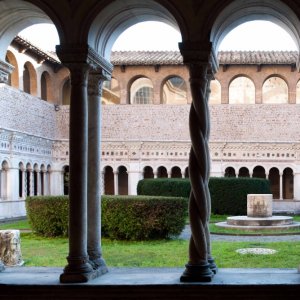
St John Basilica + Holy Door + Lateran Palace and Cloister | Guided Tour
Historical significance along the path between the two sites
The route between the Colosseum and San Giovanni in Laterano is steeped in history, reflecting Rome’s evolution from imperial capital to Christian epicenter. Starting at the Colosseum, an ancient amphitheater symbolic of Roman engineering and gladiatorial spectacles, the path then passes near remnants of Roman forums and ancient city walls.
Moving toward San Giovanni in Laterano, the area reveals layers of early Christian history. The basilica itself is the oldest cathedral in Christendom and the official ecclesiastical seat of the Pope. Along Via di San Giovanni in Laterano, remnants of ancient Roman houses, churches, and medieval structures tell stories of Rome’s continuous habitation and religious transformation.
Because of this rich backdrop, the distance is much more than a physical space. It embodies Rome’s historical narrative—from pagan rituals to Christian dominance—making the journey between the two sites a walk through centuries of culture and faith.
Key attractions near Colosseum and San Giovanni in Laterano
Near the Colosseum, tourists encounter a cluster of world-famous attractions, including the Roman Forum, Palatine Hill, and Arch of Constantine. These sites offer insights into political, social, and architectural aspects of ancient Rome. Numerous museums and cafes in the area add to the richness of this historic quarter.
Surrounding San Giovanni in Laterano, the focal point is, of course, the Basilica of San Giovanni in Laterano itself, which houses magnificent artworks, papal tombs, and the Holy Stairs (Scala Sancta). The nearby Lateran Palace and the Holy Lateran Baptistery are also vital landmarks. Additionally, the streets around San Giovanni feature picturesque piazzas and charming markets that display authentic Roman life.
In essence, the distance links two hubs of major tourist interest. Both zones offer a blend of archaeological treasures, religious heritage, and local culture, providing visitors with diverse experiences even within a short distance.
Tips for tourists navigating the distance in Rome’s City Center
First, tourists should wear comfortable shoes because even though the distance is short, Rome’s cobblestone streets can be uneven and tiring. Early morning or late afternoon is the best time to walk, avoiding peak sun and crowds.
Second, it is suggested to carry a map or use GPS-enabled devices to navigate the city’s winding alleys effectively. This precaution helps to explore side streets and small piazzas that are often missed but worth visiting. Additionally, tourists should stay hydrated and take breaks in cafes or parks along the route.
Finally, planning the journey to include both walking and public transport can optimize time and energy. For example, starting with a walk from the Colosseum and returning by metro from San Giovanni maximizes sightseeing while minimizing fatigue. In summary, these tips ensure that the “Distanza Colosseo San Giovanni in Laterano” is enjoyed safely and fully.
In conclusion, the distance marks. Whether chosen for walking or public transit, the route offers an immersive experience into Rome’s ancient and Christian heritage. By understanding the distance, travel options, and significant sites along the way, visitors can navigate this part of Rome confidently and enrich their overall trip.
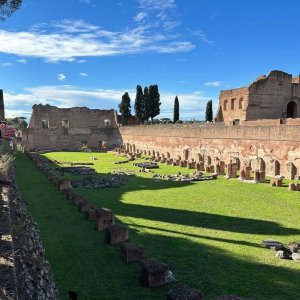
Colosseum, Roman Forum and Palatine Hill Guided Tour + ancient Rome tour
FAQ- about the distance between Colosseum and San Giovanni in Laterano
1. How long does it take to visit San Giovanni in Laterano?
Visiting San Giovanni in Laterano typically takes about 30 to 60 minutes, depending on interest in the basilica’s art, Holy Stairs, and adjacent buildings.
2. In which district of Rome is San Giovanni in Laterano located?
San Giovanni in Laterano is located in the Rione Esquilino district, part of Rome’s central historic area.
3. What is San Giovanni in Laterano famous for?
San Giovanni in Laterano is famous for being the cathedral church of Rome, the official ecclesiastical seat of the Pope, and for its architectural grandeur and religious relics.
4. What is inside St. John Lateran?
The basilica features monumental naves, historic chapels, important artworks, a medieval cloister, and is part of a larger complex that also includes the Lateran Baptistery.
5. How much does admission to St. John Lateran cost?
Admission to the basilica and the full visit with audioguide costs €25.
6. What to see near St. John Lateran Basilica?
Near St. John Lateran you can visit the Scala Santa, the Lateran Obelisk, and the Lateran Palace.
7. What is the Colosseum?
The Colosseum is Rome’s most iconic ancient amphitheatre, built during the Roman Empire to host public spectacles and gladiator games.
8. Why is the Colosseum so important?
It symbolizes the power and engineering excellence of ancient Rome and is one of the most famous landmarks in the world.
9. How much does it cost to visit the Colosseum?
A complete guided tour of the Colosseum costs from €149.