
Top souvenirs to buy in Rome: authentic gifts, local food and artisanal crafts
- 8 min read
The guide to the best souvenirs of Rome is essential for tourists planning a visit to this timeless city. Rome offers a wealth of unique keepsakes that encapsulate its rich history, vibrant culture, and exquisite culinary traditions. From iconic replicas of ancient landmarks to authentic food products and handcrafted art, every souvenir tells a story. This comprehensive guide explores the must-have Roman souvenirs, ensuring visitors can bring home meaningful mementos that truly reflect the Eternal City’s spirit.
Omnia card 72h + Roma Pass
Discovering the Best Souvenirs in Rome
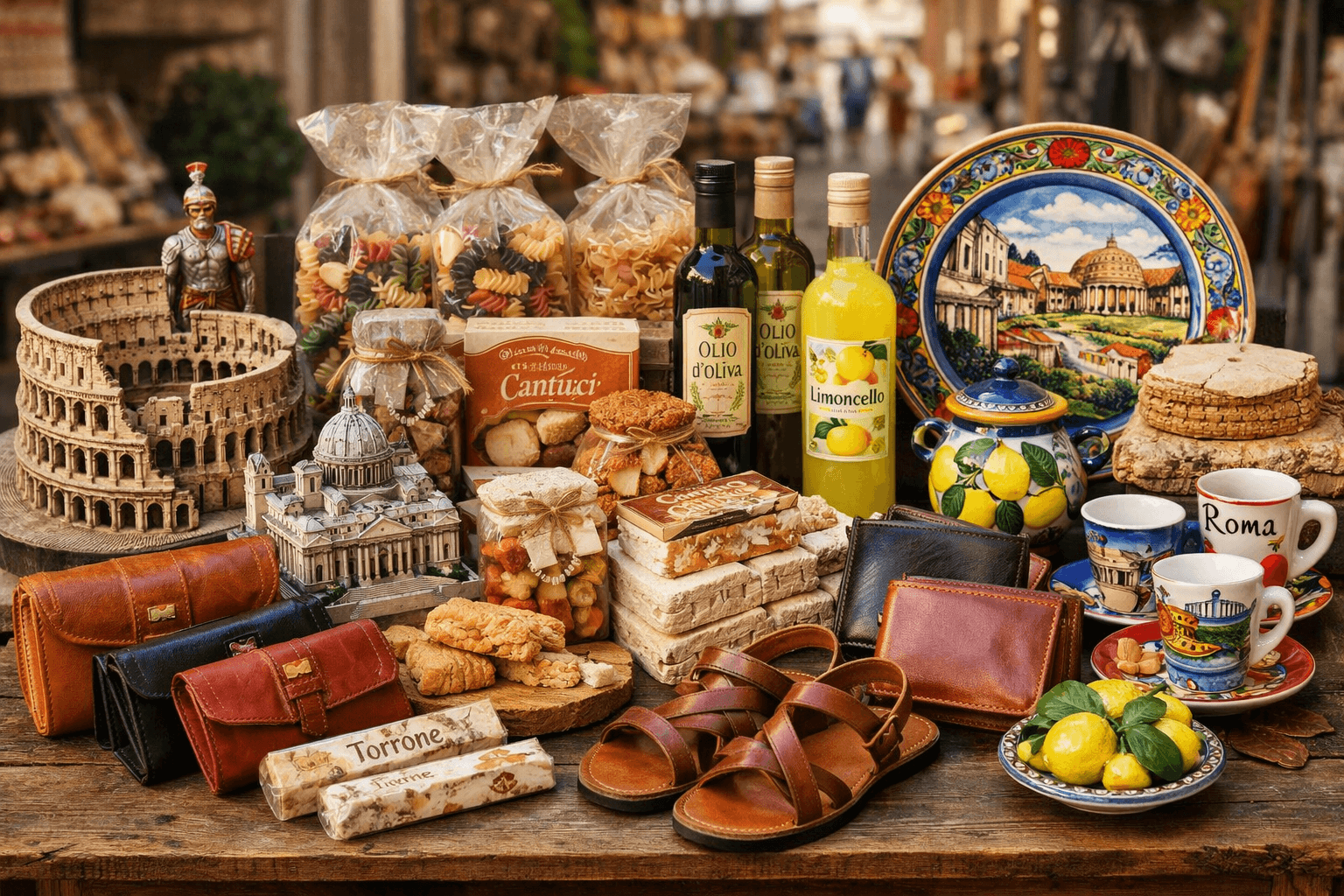
The best souvenirs of Rome capture the essence of the city’s millennia-old heritage while appealing to modern travelers’ tastes and interests. Tourists often seek items that evoke memories of their journey or gifts that share a slice of Rome’s culture with loved ones. Therefore, the guide to the best souvenirs of Rome highlights a diverse array of products—from miniature replicas of iconic monuments to edible delights exclusive to the region. These souvenirs not only serve as reminders but also as cultural ambassadors.
Because Rome is a city steeped in history, many souvenirs are inspired by its famous landmarks. However, the city’s culinary specialties and artisanal crafts also offer distinct opportunities for meaningful purchases. Tourists benefit from understanding this variety to choose souvenirs that resonate personally and practically. This guide aims to clarify these options, providing clear, structured information to ease the selection process.
In synthesis, the best souvenirs of Rome are not only beautiful or tasty but also rich in context. By exploring the historical, gastronomic, and artistic facets of Roman culture, visitors gain a fuller appreciation of their purchases. Moreover, this guide ensures the souvenirs chosen are authentic, representative, and suitable for travelers’ needs, whether for decoration, consumption, or gifting.
Iconic roman souvenirs from historical landmarks
Miniature replicas of Rome’s landmarks are among the most popular souvenirs. The Colosseum, Roman Forum, and the Pantheon are frequently reproduced in small statues, magnets, keychains, and postcards. These items serve as tangible connections to Rome’s ancient grandeur. Tourists often prioritize these because they symbolize the city’s identity in a single, compact gift.
In addition to replicas, jewelry and decorative items inspired by Roman motifs are excellent choices. For instance, pieces featuring laurel wreaths, gladiator helmets, or Roman numerals are widely available. These souvenirs celebrate Roman history and artistry, merging aesthetics with educational value. They also tend to be lightweight and easy to transport—a practical aspect for travelers.
Furthermore, books and prints that depict Rome’s historical sites or narrate their stories can enrich the souvenir experience. Such items often include detailed maps, illustrations, and historical facts, allowing tourists to revisit their memories and share knowledge with others. Because many tourists seek souvenirs that combine beauty with learning, these historical souvenirs are indispensable in the guide to the best souvenirs of Rome.
Authentic food and drink souvenirs unique to Rome
Roman cuisine offers a treasure trove of edible souvenirs that are both authentic and practical. Olive oil from local producers is one such example, prized for its quality and flavor. It embodies the Mediterranean diet, which is integral to Roman culinary tradition. Bottles of extra virgin olive oil make excellent gifts because they are useful and provide a taste of Italy.
Another top choice includes artisanal pasta, especially varieties like pici or tonnarelli, which are typical in Rome and its surroundings. Packaged pasta made with traditional methods offers tourists an opportunity to recreate Roman dishes at home. Alongside pasta, cured meats such as guanciale (cured pork cheek) are signature ingredients in Roman cuisine, although exporting them may require checking local customs regulations.
Lastly, Roman sweets and liqueurs provide delightful souvenirs. For example, amaretti biscuits and limoncello liqueur are widely appreciated. These delicacies can be found in many specialty stores across Rome and are often beautifully packaged. Because food souvenirs allow tourists to share a sensory experience of Rome’s culture, they are integral in the guide to the best souvenirs of Rome.
Omnia card 72h + Roma Pass
Artistic and handmade souvenirs reflecting roman culture
Handmade souvenirs reflect the artisanal spirit that thrives in Rome’s workshops and studios. Leather goods such as wallets, belts, and sandals crafted by skilled Roman artisans are renowned worldwide. These items blend traditional techniques with modern styles, offering durable and stylish mementos of the city. Tourists often appreciate their authenticity and craftsmanship.
In addition, hand-painted ceramics and glassware represent another category of artistic souvenirs. These pieces often feature classical Roman designs or motifs inspired by the city’s architecture and nature. Purchasing such items supports the local economy and preserves ancient crafting traditions. Because these souvenirs are both decorative and functional, they hold special appeal for discerning travelers.
Moreover, handmade paper products like journals, sketchbooks, and cards produced in Rome’s historic papermaking shops provide unique keepsakes. Many incorporate classic Roman imagery and are crafted using traditional methods that date back centuries. These artistic souvenirs enrich the tourist experience by connecting buyers with Rome’s creative heritage, further enhancing the guide to the best souvenirs of Rome.
Where to buy the best souvenirs in rome’s famous markets
Rome’s markets are treasure troves for souvenirs, blending variety with authenticity. Campo de’ Fiori market is particularly popular for food souvenirs such as fresh produce, spices, and regional delicacies. Its lively atmosphere and central location make it a favored spot for tourists seeking edible gifts. Because many vendors have longstanding reputations, buyers can trust the quality of their purchases.
Another top location is Porta Portese, Rome’s largest flea market, held on Sundays. Here, tourists can find vintage items, books, antiques, and handcrafted goods. It is ideal for those searching for unique, one-of-a-kind souvenirs that tell a story. However, haggling is common, and visitors should be prepared for a bustling environment.
For high-quality artisanal products, Via dei Coronari is a renowned street lined with small shops selling leather goods, jewelry, and art. This area caters to those looking for refined, authentic souvenirs made by local craftsmen. Because it combines shopping with a scenic stroll through historic streets, Via dei Coronari offers a memorable buying experience that complements the guide to the best souvenirs of Rome.
Tips for choosing meaningful and practical roman souvenirs
Choosing souvenirs requires balancing meaning, practicality, and authenticity. The best souvenirs of Rome are those that tell a story about the city and can be easily transported or used. Lightweight items, such as postcards, jewelry, or small ceramics, are practical for air travel, while edible souvenirs should be bought keeping customs regulations in mind.
It is also important to verify the authenticity of souvenirs. Tourist areas sometimes sell mass-produced or counterfeit items that lack cultural value. Shopping in reputable markets or stores specializing in Roman products increases the likelihood of genuine purchases. Furthermore, asking about the origin and production methods of items enriches the buying experience and guarantees quality.
Finally, souvenirs should resonate personally or be suitable as gifts. For example, culinary souvenirs might delight food lovers, whereas handcrafted leather goods appeal to fashion enthusiasts. Considering the recipient’s tastes and the story behind the item enhances the souvenir’s significance. In synthesis, thoughtful selection ensures souvenirs from Rome become treasured keepsakes rather than forgotten trinkets.
In conclusion, the guide to the best souvenirs of Rome equips tourists with the knowledge to select meaningful and authentic mementos. Whether inspired by historical landmarks, Roman gastronomy, or artisanal creativity, each souvenir reflects the Eternal City’s unique character. By shopping wisely in Rome’s famous markets and considering practical tips, visitors can bring home treasures that celebrate their Roman experience. This approach ensures souvenirs remain vivid reminders of a city where history and culture intertwine at every corner.
Omnia card 72h + Roma Pass
FAQ about the Best Souvenirs of Rome
1. What are the best souvenirs to bring from Rome?
The best souvenirs include miniature landmark replicas, authentic Roman olive oil, artisanal pasta, handmade leather goods, and decorative ceramics. These items combine cultural significance with practicality.
2. Which souvenirs are the most sold in Rome?
The most sold souvenirs are Colosseum replicas, magnets, keychains, local food products such as olive oil and pasta, and handcrafted leather accessories.
3. What do tourists typically buy in Rome?
Tourists typically buy historical replicas, traditional food and drink, handmade jewelry, and unique art pieces representing Roman heritage.
4. What typical food gifts can be bought in Rome?
Typical food gifts include extra virgin olive oil, guanciale, artisanal pasta, amaretti cookies, and limoncello liqueur.
5. What is typical to buy in Rome?
Typical purchases include souvenirs inspired by Roman history, authentic Roman cuisine products, and handcrafted art and leather items.
6. Which is the most famous market in Rome for souvenirs?
Campo de’ Fiori is famous for food souvenirs, while Porta Portese is well-known for antiques and vintage items. Via dei Coronari offers artisanal crafts and leather goods.