

St Peter’s Basilica guide: highlights, artworks and visitor tips
- 7 min read
St Peter’s Basilica highlights represent a magnificent journey through history, art, and spirituality in the heart of Rome. As one of the most iconic religious structures worldwide, the basilica draws millions of tourists eager to explore its architectural grandeur and cultural treasures. Understanding these highlights is essential for appreciating the basilica’s significance and planning an enriching visit. The basilica’s importance extends beyond its size; it symbolizes centuries of religious tradition and artistic achievement. Its role as the spiritual center of the Catholic Church makes St Peter’s Basilica highlights not only architectural marvels but also pilgrimage destinations. Tourists are often captivated by the basilica’s harmonious blend of sacred space and artistic expression, which narrates stories of faith and creativity.
St. Peter’s Basilica Guided Tour + Dome elevator and Papal Tombs | Reserved Entry
Exploring the iconic Dome and architectural marvels
The dome of St Peter’s Basilica is one of the most remarkable architectural achievements in the world. Designed by Michelangelo, it dominates the Roman skyline and symbolizes divine aspiration. Visitors often marvel at the dome’s sheer size and the intricate engineering that supports it, making it a must-see highlight for anyone exploring the basilica.
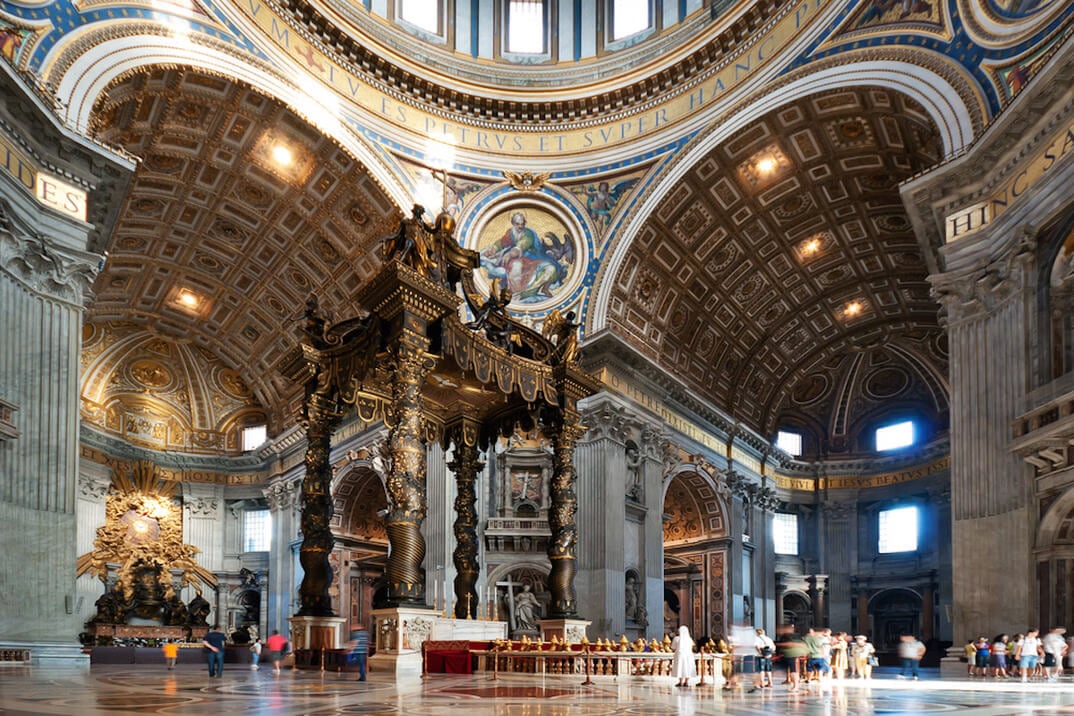
Besides the dome, the basilica itself is a masterpiece of Renaissance and Baroque architecture. The vast nave, lined with towering columns and adorned with gilded decorations, exhibits the grandeur intended to inspire awe and reverence. The façade, designed by Carlo Maderno, introduces visitors to the scale and solemnity of the basilica before even stepping inside.
In addition to its monumental structures, the basilica features detailed sculptural elements and elaborate chapels that reflect the evolution of architectural styles. These elements show the collaboration of many celebrated artists over centuries, making the architectural highlights a fascinating study that combines faith, art, and history in one monumental space.
Must-See artworks and sculptures inside the Basilica
Inside St Peter’s Basilica, the art collection is unparalleled, featuring masterpieces that attract art lovers and pilgrims alike. One of the most famous sculptures is Michelangelo’s Pietà, located near the entrance. This evocative work captures the sorrow of Mary holding the dead Christ, showcasing both technical skill and emotional depth.
Another highlight is the bronze statue of St Peter enthroned, believed to hold miraculous powers. Pilgrims and tourists alike traditionally touch the statue’s foot, connecting with centuries-old rituals. Additionally, Bernini’s Baldachin, a grand bronze canopy over the papal altar, exemplifies Baroque artistry and frames the central religious function of the basilica.
Beyond sculptures, the basilica hosts stunning mosaics, frescoes, and altarpieces. These artworks narrate biblical stories and the lives of saints, offering visitors multiple layers of meaning and cultural insight. The artistic highlights illustrate the basilica’s role as both a place of worship and an open-air museum.
Visiting St Peter’s Tomb and significant religious relics
St Peter’s tomb lies beneath the basilica’s high altar, making it one of the most sacred sites within the church. The tomb is traditionally believed to be the burial place of Saint Peter, one of Jesus’ apostles and the first pope. This connection makes the tomb a focal point for pilgrims seeking spiritual connection and historical significance.
Access to the Vatican Grottoes, where the tomb is located, allows visitors to witness relics and chapels dedicated to various popes and saints. These sacred spaces deepen the religious experience and underscore the basilica’s role as a repository of Christian heritage. The relics preserved here are considered powerful symbols of faith, attracting millions yearly.
In summary, the presence of St Peter’s tomb and other religious relics elevates the basilica beyond an architectural marvel to a living testament of Catholic history. Tourists interested in spiritual history find this aspect especially compelling because it connects them directly to the roots of Christianity.
St. Peter’s Basilica Guided Tour + Dome elevator and Papal Tombs | Reserved Entry
Practical Tips for Navigating and Timing Your Visit
St Peter’s Basilica highlights are best experienced with careful planning due to the high volume of visitors. Early morning visits or late afternoon slots usually offer fewer crowds, making it easier to explore the main attractions without long waits. Booking tickets online in advance can also streamline entry and avoid the often long security lines.
Visitors should allocate at least two to three hours to fully appreciate the basilica’s major highlights, including climbing the dome or exploring the Vatican Grottoes. While the interior is vast, a well-structured route focusing on key points such as the Pietà, the Baldachin, and St Peter’s tomb ensures an efficient and fulfilling visit.
Additionally, guided tours or audio guides provide valuable context, enhancing understanding of the basilica’s complex history and symbolism. Tourists benefit from following marked paths and respecting restricted areas to navigate smoothly and preserve the sanctity of the site.
Understanding Dress Code and Visitor Etiquette at the Basilica
The dress code at St Peter’s Basilica is strictly enforced to maintain respect for its religious functions. Visitors must wear modest clothing: shoulders and knees should be covered. This rule applies year-round, and failure to comply may result in denied entry, underscoring the importance of preparation before visiting.
Etiquette within the basilica is equally important. Silence or whispering is expected to preserve the atmosphere of reverence. Photography is generally permitted, but flash and tripods are prohibited. Visitors are also requested to avoid eating, drinking, or smoking to protect the sacred environment.
In essence, the dress code and etiquette guidelines are designed to honor the basilica’s spiritual significance while ensuring a respectful experience for all. Awareness and adherence to these rules enhance the visit and reflect an understanding of the basilica’s dual role as a religious sanctuary and a tourist destination.
St Peter’s Basilica Highlights for Tourists
In conclusion, St Peter’s Basilica highlights provide an unforgettable encounter with Rome’s religious, artistic, and architectural heritage. From the awe-inspiring dome to the sacred tomb of Saint Peter, every element tells a story of faith and human creativity. Exploring these highlights enriches any visit to the Eternal City by connecting tourists to centuries of history and devotion.
Moreover, practical advice on timing, navigation, and respectful behavior ensures that visitors can fully immerse themselves in the basilica’s grandeur without unnecessary obstacles. St Peter’s Basilica highlights thus offer a balanced blend of cultural discovery and spiritual experience that remains unmatched anywhere else.
Overall, the basilica stands as a testament to Rome’s enduring legacy as a center of faith and art. Understanding these highlights helps tourists appreciate the profound significance of this monumental church and plan a visit that is both enlightening and memorable.
St. Peter’s Basilica Guided Tour + Dome elevator and Papal Tombs | Reserved Entry
FAQ – about St Peter’s Basilica Highlights
1. What masterpieces are in St. Peter’s Basilica?
Michelangelo’s Pietà, Bernini’s Baldachin, and the bronze statue of St Peter enthroned are among the most famous masterpieces inside the basilica. These artworks showcase Renaissance and Baroque artistry at its finest.
2. What is so special about St. Peter’s Basilica?
It is one of the largest churches in the world, built over the tomb of Saint Peter, and features significant religious relics and unparalleled art and architecture, making it a spiritual and cultural landmark.
3. How long does it take to walk through St. Peter’s Basilica?
A thorough visit typically takes two to three hours, depending on whether visitors climb the dome or explore the Vatican Grottoes.
4. Why can’t you show your shoulders in the Vatican?
The dress code requires modest attire to respect the sanctity of the religious site, ensuring visitors uphold decorum expected in sacred spaces.
5. What is the most powerful relic in the Catholic Church?
The tomb of Saint Peter beneath the basilica is considered one of the most powerful relics, as it is believed to house the remains of the first pope.
6. Can visitors climb to the top of the dome?
Yes, tourists can climb the dome via stairs or take an elevator partway, offering panoramic views of Rome.
7. Are guided tours recommended inside the basilica?
Guided tours or audio guides are highly recommended to gain deeper insight into the basilica’s art, history, and religious significance.
8. Is photography allowed inside St Peter’s Basilica?
Photography is permitted without flash; however, tripods and flash photography are prohibited to preserve the artworks and ambience.