
7 Churches to visit in Rome: itinerary, Holy Doors, tips, and how to explore them
- 6 min read
Visiting Rome means stepping into centuries of art and faith, and choosing the right churches to visit in Rome helps travellers follow a meaningful itinerary through basilicas, Holy Doors, masterpieces, and historic districts that shape the city’s spiritual identity.
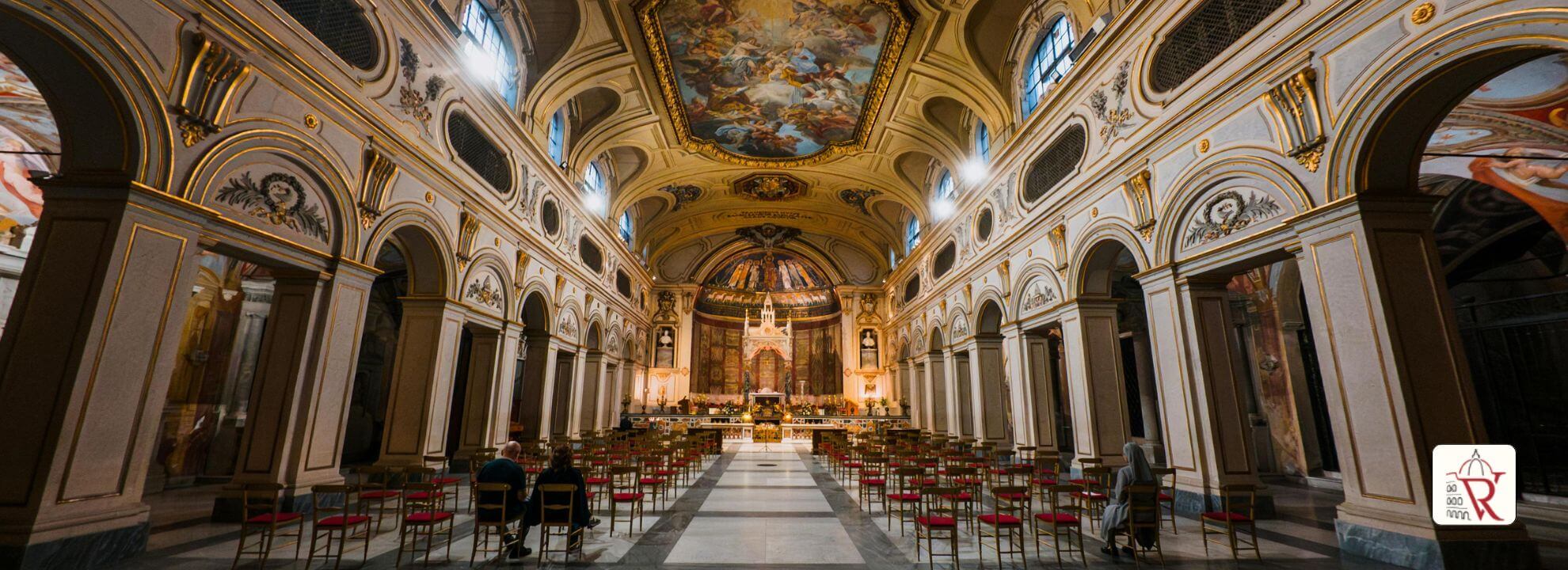
The pilgrimage of the churches in Rome
Although Rome has always attracted pilgrims from every corner of the world, churches to visit in Rome continue to shape meaningful journeys through centuries of faith. As a matter of fact, walking through these sacred spaces feels analogous to exploring layers of history, spirituality, and art all at once. Basically, each basilica carries echoes of emperors, popes, artists, and travelers who came before.
Itinerary to visit the 7 best churches in Rome
As shown above, the route is divided into thematic clusters: Vatican, Esquilino and Tiburtina district, Ostiense, Laterano, and Appia Antica. Each cluster can be visited in half a day or a full day depending on the visitor’s pace.
As a matter of fact, the entire itinerary requires 3 to 4 days to be enjoyed comfortably. Conversely, ambitious travelers may complete it in 2 days, although this may be true only if time inside museums or cloisters is limited.
How to tour the churches in Rome
Although exploring Rome independently can be rewarding, touring its churches with structured support often makes the experience smoother and more meaningful. Guided routes often include historical explanations and access to lesser-known spaces that are not always open to the general public. Consequently, many travelers choose organized experiences that connect major basilicas in a single narrative thread, moving from the Lateran area toward the Vatican or combining Holy Doors with ancient cloisters in one fluid journey.
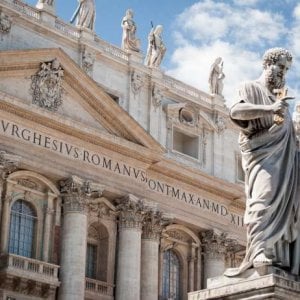
Vatican Museums + Sistine Chapel + St John and St Peter's Basilica | Guided Tour
Useful features often include:
- Accompaniment by expert guides, who reveal hidden details and historical layers
- Easy transitions between districts, reducing time spent navigating transportation
- Access to significant spiritual sites, including Holy Doors and cloisters
- Curated storytelling, ensuring each basilica becomes part of a coherent pilgrimage narrative
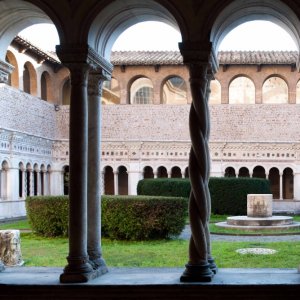
St John Basilica + Holy Door + Lateran Palace and Cloister | Guided Tour
1st day
St. Peter’s Basilica
Why it deserves an entire day
St. Peter’s Basilica stands in the Vatican district and was built mainly between the 16th and 17th centuries. Before anything else, it represents the spiritual heart of Catholicism. Because its size and symbolic power are unparalleled, a full day is recommended. Besides its religious relevance, the basilica holds masterpieces that deserve slow appreciation.
Masterpieces to see
As can be seen, the basilica contains treasures such as:
- Michelangelo’s Pietà
- Bernini’s Baldachin
- The Tombs of the Popes
- The Nave and its colossal mosaics
- The Necropolis beneath the basilica
Another key point is that many visitors underestimate the time required to explore these areas, but as soon as one enters, the scale of the space changes everything.
How to visit the Dome
As has been noted, climbing to the dome is one of the most rewarding experiences. Although the ascent includes over 300 steps (after the elevator portion), the panoramic view over Rome is extraordinary. As long as visitors are physically prepared, this climb reveals the city’s ancient grid stretching toward the horizon.
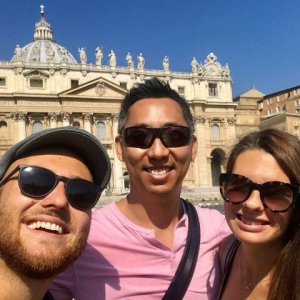
St. Peter’s Basilica Guided Tour + Dome elevator and Papal Tombs | Reserved Entry
2nd day
Papal Basilica of Santa Maria Maggiore
- Where and when was built it: Located in the Esquilino district, it dates back to the 5th century.
- Why it matters: It is one of the four major papal basilicas and preserves the oldest Marian mosaics in Rome.
- Holy Door: Certainly, Santa Maria Maggiore features one of the four official Holy Doors used during Jubilee 2025.
Important artworks
- Triumph of Mary mosaics (5th century)
- Borghese Chapel
- Relics of the Holy Crib
Basilica of San Lorenzo Fuori le Mura
- Where and when was built it: Set in the Tiburtina district, originally built in the 4th century and expanded in medieval times.
- Importance: Another key point is that this basilica houses the tomb of St. Lawrence, one of the city’s most venerated martyrs.
- Holy Door: Comparatively smaller than the others, the Holy Door here remains a rare devotional symbol.
Artworks
- Cosmatesque floor
- Papal tombs
- Gothic ciborium
Papal Basilica of San Paolo Fuori le Mura
- Where and when was built it: Located along Via Ostiense, founded in the 4th century.
- Importance: As can be seen, this basilica stands where St. Paul is traditionally believed to be buried.
- Holy Door: Present and opened during Jubilee years.
Artworks
- Portraits of all popes
- Majestic cloister
- Apse mosaics
3th day
Papal Basilica of San Giovanni in Laterano
- Where and when was built it: In the Laterano district, built in the 4th century and considered the “Mother of all Churches.”
- Importance: As a matter of fact, it is the cathedral of Rome.
- Holy Door: Its Holy Door is one of the most symbolic of Jubilee celebrations.
Artworks
- 12 Apostles statues
- Medieval cloister
- Papal throne
Basilica of San Sebastiano Fuori le Mura
- Where and when was built it: Situated along Via Appia Antica, built in the 4th century.
- Importance: Despite its quieter setting, it is essential in the Seven Church Walk.
- Holy Door: This basilica does not include a Holy Door.
Artworks
- Catacombs of San Sebastiano
- Relics of early martyrs
St John Basilica + Holy Door + Lateran Palace and Cloister | Guided Tour
How to dress for churches in Rome
In Rome, the dress code for churches is simple but strictly enforced: shoulders and knees must be covered, and overly revealing or beach-style clothing is not allowed. Although this may vary in smaller churches, the major churches to visit in Rome — such as St. Peter’s Basilica or the papal basilicas — apply these rules consistently, especially during peak seasons. As a matter of fact, carrying a light scarf or shawl makes it easy to adapt on the spot, ensuring respectful access to every sacred site throughout your visit.
For more information 👉 Roman Catholic Church Dress Code: how to dress for churches in Rome
FAQs about the churches to visit in Rome
Which churches are must see in Rome?
The must-see list certainly includes St. Peter’s Basilica, San Giovanni in Laterano, Santa Maria Maggiore, and San Paolo Fuori le Mura.
Which churches to visit in Rome?
Travelers should include the major basilicas and additional sites such as San Lorenzo Fuori le Mura and San Sebastiano.
Can you wear shorts in churches in Rome?
Despite Rome’s warm climate, modest clothing is required: shoulders and knees covered.
What are the 4 main churches in Rome?
St. Peter’s, St. John Lateran, St. Paul Outside the Walls, and Santa Maria Maggiore.
Where are the 7 holy doors located?
Although four are papal, others appear in specific sanctuaries across Rome.
What is the seven church walk in Rome?
A traditional pilgrimage route including the major basilicas and two extra churches.
Is there a dress code for Italian churches?
Italian churches require modest clothing, meaning shoulders and knees must be covered to enter.